






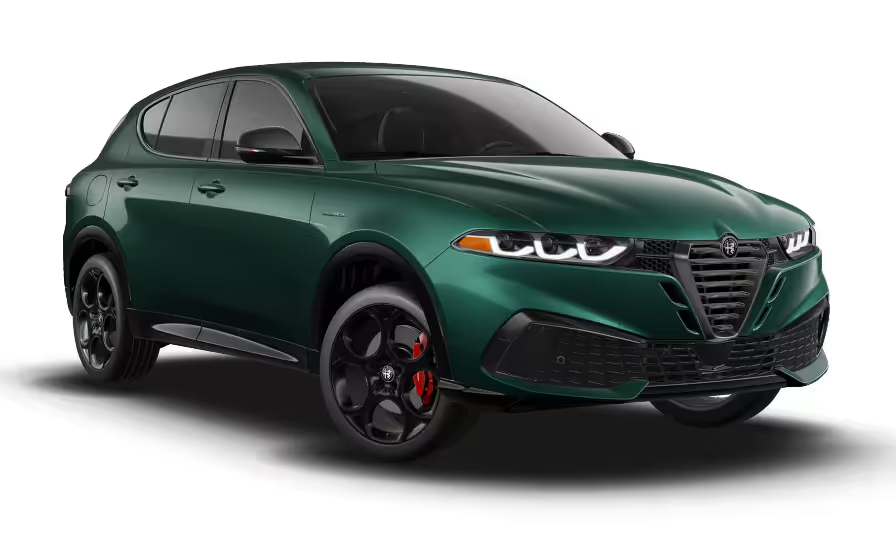
The Alfa Romeo Tonale has always possessed the underlying DNA of a true Italian enthusiast’s car, but for a long time, that spirit felt buried under the weight of high expectations and a confusing market position. When it first debuted, it felt like a product of compromise—attempting to balance electrification, fuel efficiency, and brand heritage with a price point that hovered uncomfortably close to $60,000. For that kind of money, buyers could easily opt for the larger, more established Stelvio or high-performance German rivals.
Fast-forward to 2026, and the landscape has changed dramatically. Alfa Romeo has streamlined the lineup, removing the heavy and expensive PHEV powertrain from the American market and introducing a refreshed aesthetic. Most importantly, the price has seen a significant correction, making it roughly $15,000 more affordable. After spending a week behind the wheel of the range-topping Sport Speciale trim, it is clear that these adjustments have finally allowed the Tonale’s personality to shine through.
Core Performance Specifications
While the Tonale doesn’t wear the legendary Quadrifoglio badge, it offers a level of engagement that is increasingly rare in the compact crossover segment. On paper, it may not be the fastest vehicle in its class, but driving is about more than just raw horsepower numbers. This vehicle has a way of making even mundane errands feel like an event. Whether you’re heading out for a quick coffee or taking the long way home, the Tonale encourages spirited driving in a way few of its competitors can match.
Refining the Italian Silhouette
Design Evolution and Exterior Highlights
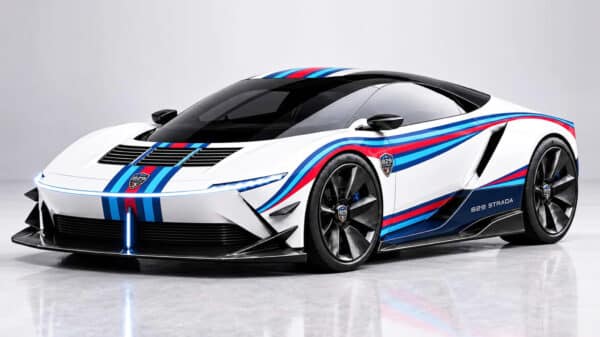
The Tonale has always been a handsome vehicle, but the 2026 facelift brings a level of maturity to its design. The front fascia is sharper, featuring a grille that draws a direct stylistic line to the 33 Stradale supercar. This gives the car a more aggressive presence without feeling overdone. At the rear, the updated lighting signature provides a distinct look that stands out, particularly at night.
The iconic “phone-dial” wheel design remains a standout feature. These three-hole wheels are deeply rooted in Alfa Romeo’s history and give the Tonale an exotic flair that sets it apart from the sea of generic luxury crossovers. However, Italian design often comes with a few quirks. For instance, the rear door glass has a sharp, protruding corner near the roofline that can catch an unsuspecting passenger off guard. It is a reminder that in an Alfa, form sometimes dictates function in unexpected ways.
A Blend of Premium Tactility and Practicality
Cabin Experience and Material Quality
Inside, the Tonale presents a fascinating contrast between high-end luxury and mainstream utility. The front seats are a high point—offering a perfect balance of long-distance comfort and lateral support for aggressive cornering. The driver-centric cockpit feels special, particularly thanks to the oversized aluminum paddle shifters. Unlike the plastic units found in many competitors, these are genuine metal, providing a cold, mechanical feel that adds a sense of occasion to every gear change.
Alfa Romeo also deserves praise for retaining physical controls for the climate system. In an era where many manufacturers are burying basic functions deep within touchscreen menus, the Tonale’s tactile switches are a breath of fresh air. They are intuitive, well-placed, and far safer to use while driving. However, some of the plastics on the dashboard and steering wheel feel a bit less premium than what you might find in a high-end BMW or Audi. Given the new, lower price point, these material choices are much easier to forgive.
Space and Passenger Accommodations
The infotainment system is functional and responsive, though the screen size may feel modest by modern standards. In the rear, the Tonale’s sporty roofline does impose some limitations. Taller passengers will find headroom a bit tight, and legroom is average for the segment. That said, the 27 cubic feet of cargo space is surprisingly usable, offering enough room for daily tasks without compromising the vehicle’s sleek proportions. For many, the tradeoff of a little rear-seat space for a much more engaging driving experience will be well worth it.
Engine Performance and Road Manners
Under the hood lies a 2.0-liter turbocharged four-cylinder engine producing 268 horsepower and 295 lb-ft of torque. While the old PHEV was technically quicker in a straight line, this non-hybrid version feels significantly more agile. The reduction in weight makes the chassis feel more responsive and eager to change direction. The steering is exceptionally quick and communicative, allowing the driver to place the front wheels with precision.
The inclusion of adaptive dampers on the Sport Speciale trim is a game-changer. These shocks allow the Tonale to remain composed and flat through corners while still absorbing road imperfections during casual cruising. When you engage manual mode and use those massive paddles, the car truly comes alive. It’s an SUV that actually enjoys being pushed, which is a rare trait in this segment.
The only notable drawback is the nine-speed automatic transmission during low-speed, urban driving. At times, the gearbox can feel indecisive, hunting for the right gear or shifting with a bit of clunkiness in stop-and-go traffic. However, once you pick up the pace and drive with more intent, the transmission finds its rhythm and delivers crisp, satisfying shifts.
Market Comparison and Value Proposition
At its previous $60,000 price point, the Tonale was a tough sell. At $45,000 for a well-equipped Sport Speciale, it is a much more compelling proposition. It now sits comfortably alongside rivals like the BMW X1, Audi Q3, and the Mini Countryman. While the German alternatives might offer slightly more polished interiors, they often lack the soul and visual drama of the Alfa. For buyers who want a crossover that doesn’t look or feel like everything else in the office parking lot, the Tonale is a standout choice.
Final Thoughts
The 2026 Alfa Romeo Tonale Sport Speciale is the version of this car that should have existed from day one. By dropping the price and focusing on the core strengths of the 2.0-liter turbo engine and a lighter chassis, Alfa has created a compact crossover that actually honors its heritage. It isn’t perfect—the rear seat is snug and the transmission can be finicky in traffic—but it compensates with a level of driver engagement and style that its peers simply cannot replicate. It is a characterful, fun-to-drive alternative in a segment that often prioritizes clinical efficiency over emotional appeal.