



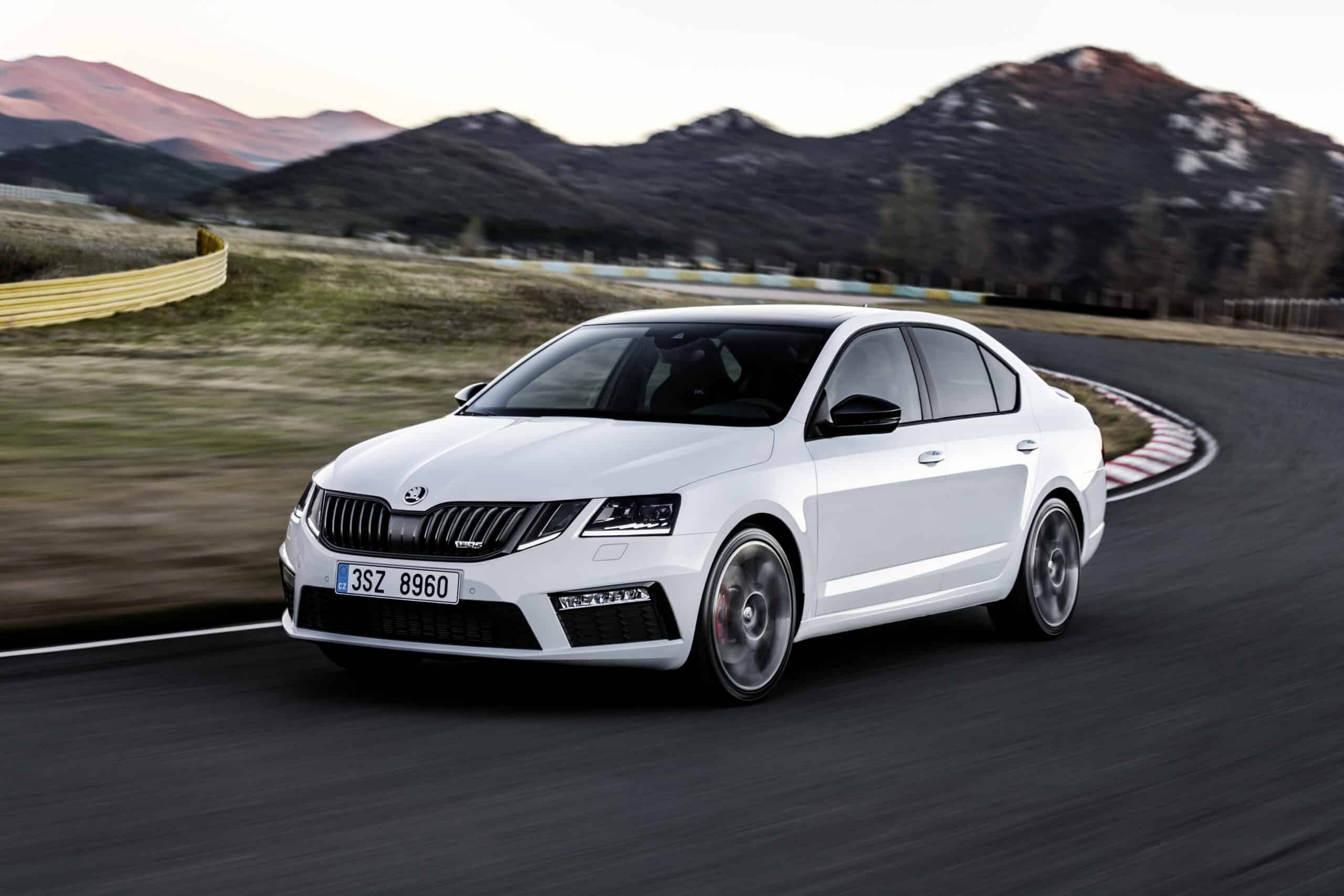
The Skoda Octavia is set to undergo a significant mechanical evolution as the Czech manufacturer prepares to introduce hybrid technology across its flagship hatchback and estate lineup. By diversifying the powertrain options, Skoda aims to provide a comprehensive range of choices for buyers navigating the transition between traditional combustion engines and full electrification.
Expanding the Octavia’s Hybrid Capabilities
Technical Chief Johannes Neft has confirmed that the Octavia will soon offer both full-hybrid (HEV) and plug-in hybrid (PHEV) configurations. This strategic move aligns the Octavia with its Volkswagen Group stablemates, ensuring it remains a versatile contender in the highly competitive family car segment. These new electrified variants are designed to bridge the gap for drivers who desire increased efficiency without moving to a fully electric vehicle immediately.
Advanced Full-Hybrid Powertrains
The upcoming “pure-hybrid” system is expected to debut in the Octavia following its introduction in the refreshed Volkswagen Golf and T-Roc. This self-charging setup utilizes the well-regarded 1.5-litre four-cylinder turbocharged petrol engine paired with a seven-speed dual-clutch (DSG) automatic gearbox. An integrated electric motor and a 1.6kWh battery allow the vehicle to operate on electric power during low-speed maneuvers and light urban driving, with the internal combustion engine providing support during higher loads or high-speed cruising.
In terms of performance, the system is projected to offer two power outputs: 136bhp and 170bhp. It is highly likely that Skoda will make both configurations available to Octavia customers, providing a balance between economy-focused driving and more spirited performance.
Next-Generation Plug-in Hybrid Performance
For those seeking longer periods of zero-emission driving, a revised plug-in hybrid Octavia is on the horizon. This version will likely adopt the latest PHEV hardware found in the current Golf eHybrid, featuring a 1.5-litre engine and a six-speed dual-clutch transmission. The centerpiece of this update is a larger 19.7kWh battery pack, which is engineered to provide an electric-only range of approximately 88 miles.
While the Octavia’s larger dimensions and weight compared to the Golf might result in a slightly lower EV range, the figures are still expected to be significant enough to qualify the model for the 7% Benefit-in-Kind (BiK) tax bracket. This makes the plug-in hybrid an exceptionally attractive option for company car users and fleet operators looking to minimize tax liabilities while reducing fuel costs.
The Future of Diesel and Electric Models
Despite the aggressive push toward hybridization, Skoda is not abandoning traditional internal combustion engines. Johannes Neft indicated that diesel remains an integral part of the Octavia strategy for the time being, as the brand remains committed to offering a “complete range” of combustion-powered versions to meet diverse consumer needs across different markets.
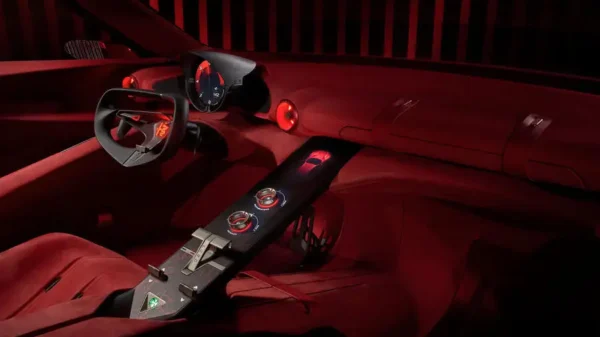
Looking further ahead, an all-electric Octavia is currently in development, having been previewed by the Vision O concept. However, this battery-electric version is not expected to hit showrooms until the end of the decade. Skoda CEO Klaus Zellmer has emphasized that the company intends to keep its options open, maintaining internal combustion engine (ICE) production for the Octavia as long as it remains feasible and in demand.
Summary of Skoda’s Multi-Power Strategy
The introduction of full and plug-in hybrid technology marks a pivotal moment for the Skoda Octavia, ensuring it stays relevant in an era of tightening emissions standards. By offering a spectrum of powertrains—ranging from efficient diesels and self-charging hybrids to long-range PHEVs—Skoda is catering to both private buyers and corporate fleets. While a fully electric Octavia is on the long-term horizon, these new hybrid solutions provide a practical and high-tech alternative for the immediate future.