





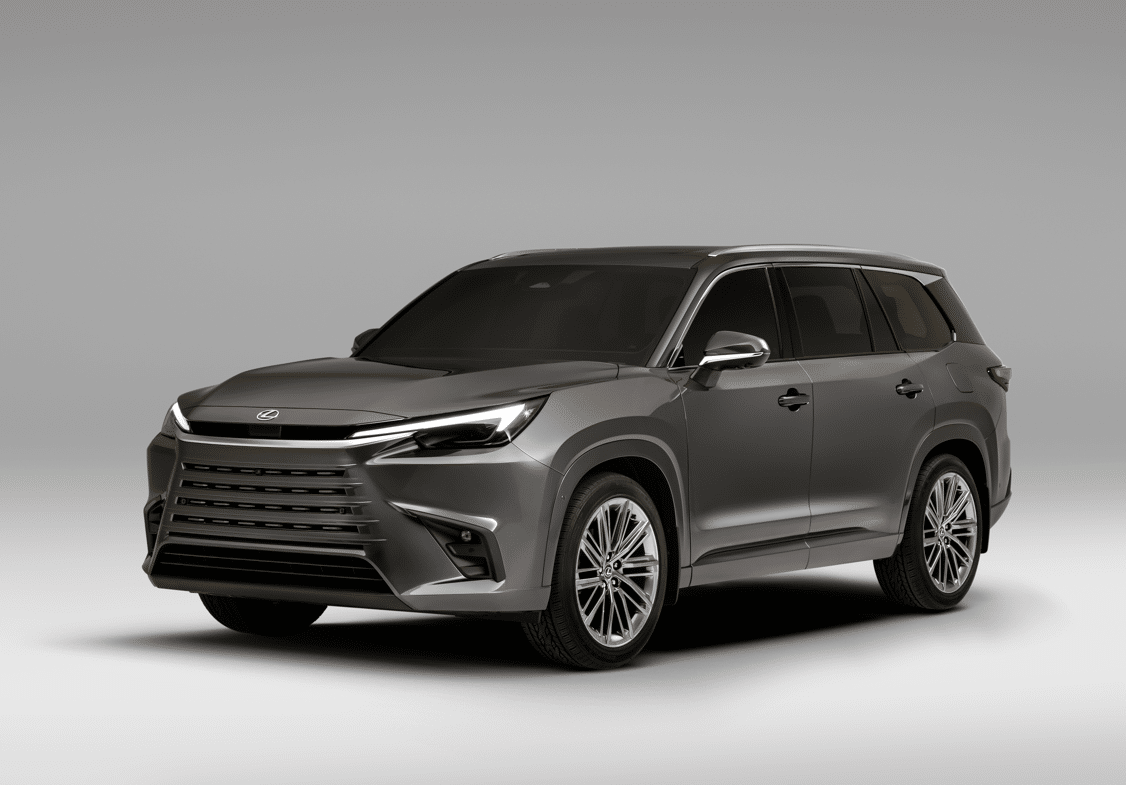
- The Lexus TZ features a low-slung profile designed to maximize aerodynamic efficiency and road stability.
- The cabin is engineered for class-leading quietness, offering a premium experience despite unconventional interior trim materials.
- Strategic pricing will determine if the TZ competes as a high-volume flagship or remains a specialized luxury offering.
Lexus has officially introduced the TZ, its debut three-row all-electric SUV, marking a significant milestone for the brand’s electrification strategy. Built upon the mechanical foundations of the upcoming Toyota Highlander EV, the TZ is a powerhouse in the making, offering configurations with up to 402 horsepower. While its interior refinement and technical specifications are impressive, its ultimate success in a crowded market will likely be dictated by its final MSRP rather than its luxury credentials.
In a departure from the current trend of bulky SUVs that mimic off-road vehicles, the TZ sits remarkably low. This intentional stance swaps rugged posturing for a focus on on-road dynamics and efficiency. By avoiding the oversized body cladding and high ground clearance that often compromise aerodynamics, Lexus has created a vehicle that feels sleek, elongated, and sophisticated for its size.
Optimized Styling and Aerodynamic Performance
The emphasis on efficiency is backed by a drag coefficient of just 0.27—an impressive feat for a three-row vehicle that nearly matches the 0.25 rating of the Toyota Prius. This slippery profile is essential for maximizing the range of a large electric vehicle.
The design balances functional EV requirements with artistic expression. The front fascia adopts a smoother, more closed-off look as traditional cooling needs diminish in the electric era. However, the rear of the vehicle provides a more sculptural and distinctive identity. While the models shown reflect European specifications, the North American version is expected to include an illuminated front emblem. Performance details confirm dual-motor all-wheel drive, with trims offering approximately 300 miles of range or peak outputs of 402 horsepower.
The “Driver’s Lounge” Interior Concept
Lexus describes the TZ cabin as a “Driver’s Lounge,” an environment characterized by exceptional isolation from the outside world. The interior is reportedly the quietest in the Lexus portfolio, surpassing even the LX in terms of noise suppression. This focus on tranquility ensures the TZ feels like a genuine luxury product rather than a generic electric crossover.
The dashboard design successfully differentiates itself from its Toyota Highlander counterpart. While sharing a similar layout for essentials like the wireless chargers and gauge cluster, the TZ utilizes unique positioning and higher-end materials to justify its premium status. One notable feature is the “forged bamboo” trim. While it represents a commendable use of sustainable materials, its unique finish may be polarizing, as it can resemble textured plastic rather than traditional wood at first glance.
Functional Luxury and Market Positioning
Packaging is a major strength for the TZ. The third row is more than just an afterthought, featuring generous space and high-end amenities. Unlike some six-figure competitors, such as the Cadillac Escalade IQ, the Lexus TZ includes one-touch power controls, heating, and seatback adjustments for the third-row passengers, proving that Lexus has prioritized occupant comfort across all three rows.
Technical highlights designed to enhance the driving experience include rear-wheel steering for better maneuverability and a premium Mark Levinson audio system. Additionally, Lexus has integrated a “rear-comfort” drive mode, which specifically tunes the vehicle’s suspension and powertrain inputs to minimize cabin movement and provide a smoother ride for those in the back seats.
The primary hurdle for the TZ will be consumer reception toward large luxury EVs. While the TZ provides a serene and smooth driving experience that perfectly aligns with the Lexus brand identity, it must find its footing in a segment where buyers are still weighing the benefits of full electrification. The price gap between the TZ and the more mainstream Toyota Highlander EV will be the deciding factor. If Lexus positions the TZ as a competitively priced alternative to rivals like the Volvo EX90, it has the potential to become a leader in the luxury electric SUV space.
The Lexus TZ represents a refined evolution of the three-row SUV, trading aggressive off-road styling for aerodynamic efficiency and unparalleled cabin serenity. By focusing on high-end materials, thoughtful third-row packaging, and advanced comfort technologies like rear-wheel steering, Lexus has developed a vehicle that plays to the inherent strengths of electric powertrains. Whether it becomes a high-volume success or a niche luxury choice will depend on how Lexus balances its premium features with a competitive pricing strategy in the North American market.