
The Evolution of the People’s Car: Entering the MEB+ Era
The transition to electric mobility is reaching a critical tipping point where the focus has shifted from high-end luxury cruisers to the more challenging small-car segment. Leading this charge for Wolfsburg is the highly anticipated ID Polo, a vehicle that carries the heavy burden of translating the legendary “Polo” heritage into a sustainable future. Built upon the Volkswagen Group’s sophisticated MEB+ platform, this compact EV represents a strategic masterstroke designed to bring affordable, high-tech electrification to the mainstream market.
While it shares its technical DNA with the Cupra Raval, the ID Polo is far more than a corporate twin. It is the centerpiece of a multi-brand offensive that aims to democratize electric driving across Europe and beyond. By utilizing a shared battery and motor architecture, Volkswagen is positioning itself to capture the heart of the “entry-level” EV sector—a segment that will likely define the brand’s relevance in the coming decade.
Navigating a Competitive Electric Landscape
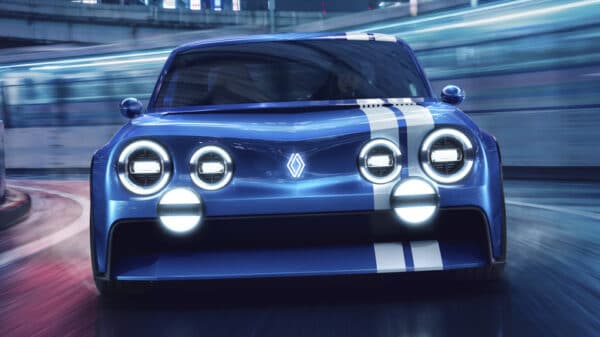
Volkswagen isn’t entering this arena alone. The small EV market is rapidly becoming one of the most fiercely contested spaces in the automotive industry. The ID Polo faces immediate and formidable pressure from the retro-chic Renault 5, which has already captured the public’s imagination. Furthermore, the premium allure of the Mini Cooper, the quirky practicality of the Kia EV3, and the rugged appeal of the Ford Puma Gen-E mean that “good” is no longer enough; the ID Polo must be exceptional to stand out.
To navigate these competitive waters, Volkswagen is leaning heavily on industrial synergy. The development of the MEB Entry platform—which supports four distinct models including the Raval, the ID Polo, the ID Cross, and the Skoda Epiq—has been spearheaded by Cupra. By consolidating production at the Seat facility in Martorell, Spain, the group achieves the economies of scale necessary to keep price points accessible without sacrificing the technical sophistication modern drivers expect.
Beyond Badge Engineering: The Volkswagen DNA
One of the primary concerns with shared platforms is the risk of “badge engineering,” where cars from different brands feel identical behind the wheel. Volkswagen’s engineering team has been vocal in dismissing this notion. They assert that while the bones of the car are shared, the soul is pure Wolfsburg. The team describes their approach as one of “nerdiness”—an obsessive focus on the minutiae of suspension geometry, chassis dampening, and steering feel.
This “nerdy” dedication is aimed at ensuring the ID Polo drives like a traditional Volkswagen: composed, refined, and predictable. By setting specific parameters for handling and refinement, the engineers claim they have successfully separated the ID Polo from its more aggressive Cupra sibling. The goal was to create a car that feels familiar to long-term fans of the brand, offering a sense of “home” even for those making their first jump into an electric drivetrain.
Design Cues that Speak the Language of Wolfsburg
Visually, the ID Polo is a clear successor to the ID 2all concept car, which was a pivotal statement of intent from CEO Thomas Schäfer and design lead Andreas Mindt. The transition from concept to production has preserved the core elements that define the brand’s new design language. It eschews the overly futuristic, sometimes polarizing aesthetics of early ID models in favor of something more grounded and timeless.
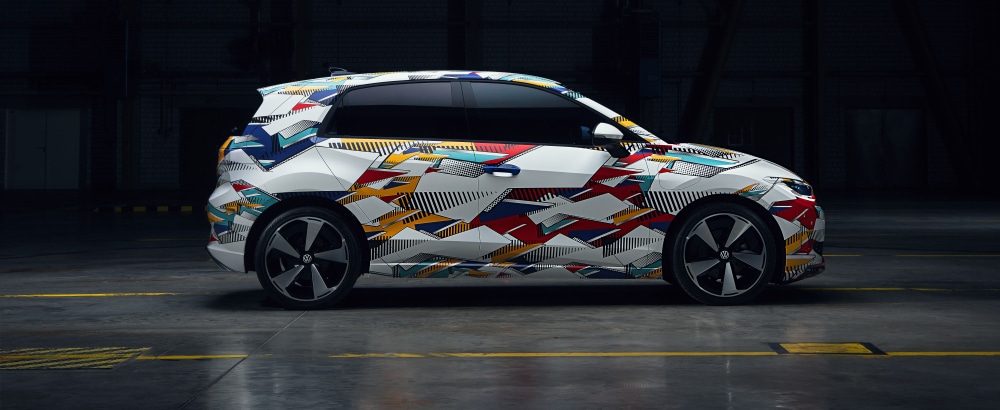
Key signature elements, such as the substantial C-pillar and the muscular wheel arches, serve as a nod to the iconic Golf and Polo generations of the past. These design choices are intentional; they provide a visual bridge between the internal combustion era and the electric future. Even under development camouflage, the car’s proportions suggest a planted stance and a spacious interior, promising the utility that has made the Polo a household name for nearly half a century.
Ultimately, the ID Polo is an exercise in balancing heritage with innovation. By focusing on “nerdy” engineering and classic design principles, Volkswagen is betting that the key to winning the EV race isn’t just about the latest tech, but about maintaining the character and reliability that drivers have trusted for decades. As this model prepares to hit the streets, it represents a vital step in ensuring the “People’s Car” remains exactly that in the electric age.