



Polestar is preparing to broaden its lineup with a more practical “estate” version of the Polestar 4, a move intended to stimulate sales and navigate a challenging financial landscape. Recent sightings of a camouflaged prototype testing in the UK provide a first look at how this new variant differs from its more aggressively styled predecessor.
Design Evolution: The Return of the Rear Windscreen
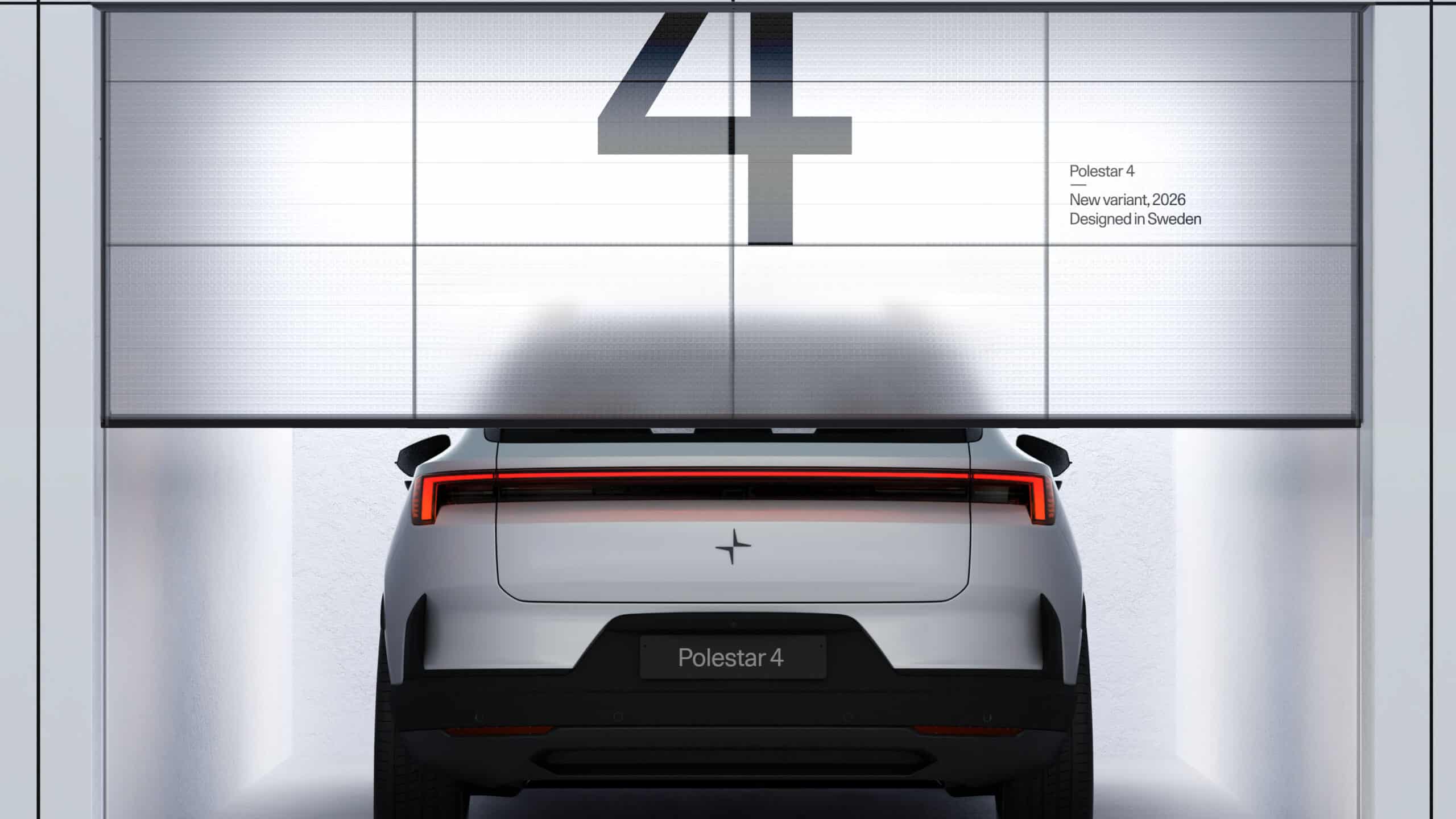
The most significant revelation from the recent road tests is the inclusion of a conventional rear windscreen. This marks a major departure from the standard Polestar 4, which famously lacks a rear window in favor of a roof-mounted high-definition camera system. By reinstating the glass, Polestar is adopting a more traditional SUV silhouette, which is expected to appeal to a wider demographic and provide a more familiar driving experience.
This design shift is a strategic move to position the vehicle more effectively against key rivals in the luxury electric SUV segment. By offering a more conventional rear end, Polestar can better compete with the likes of the upcoming BMW iX3 and the Mercedes-Benz GLC Electric, both of which prioritize a balance between modern aesthetics and traditional utility.
Enhanced Practicality and a Simplified Model Range
While the rear of the vehicle is being reimagined, the front end is expected to remain identical to the existing model, maintaining the brand’s signature minimalist aesthetic. Polestar CEO Michael Lohscheller has indicated that this new version is specifically designed for users who require higher levels of daily functionality, such as families and pet owners who need the vertical space a traditional SUV hatch provides.
Upon its official launch later this year, Polestar plans to streamline its naming convention. The new, more practical variant will simply be known as the Polestar 4, while the current rakish version will be rebranded as the Polestar 4 Coupé. This distinction clearly separates the two body styles based on their intended use cases.
Strategic Pivot Amid Global Trade Challenges
The rollout of this new model comes at a complex time for Polestar’s global manufacturing strategy. Initial plans involved producing both Polestar 4 variants at a facility in Busan, South Korea, a move designed to bypass heavy US tariffs on vehicles manufactured in China. However, the brand’s expansion into the United States has hit a significant hurdle due to new cybersecurity regulations targeting vehicle software linked to specific regions.
In light of being effectively barred from the US market, Lohscheller has confirmed that Polestar will intensify its focus on regions with high growth potential and more favorable regulatory environments. This includes a renewed push into the European market, as well as expansion efforts across Canada, Latin America, and Asia. Lohscheller noted that the automotive industry is entering a period defined by regional dynamics, requiring manufacturers to be more agile in where they allocate their resources and products.
Final Thoughts on the Polestar 4 Expansion
The introduction of a more practical Polestar 4 variant represents a pragmatic shift for the Swedish automaker. By addressing the demand for traditional SUV features—like a rear window and increased utility—Polestar is positioning itself to capture a larger share of the premium EV market. While geopolitical and regulatory challenges have limited its reach in North America, the brand’s pivot toward Europe and emerging markets, backed by a more versatile product portfolio, serves as a calculated attempt to secure its financial future and maintain its status as a leader in minimalist electric design.