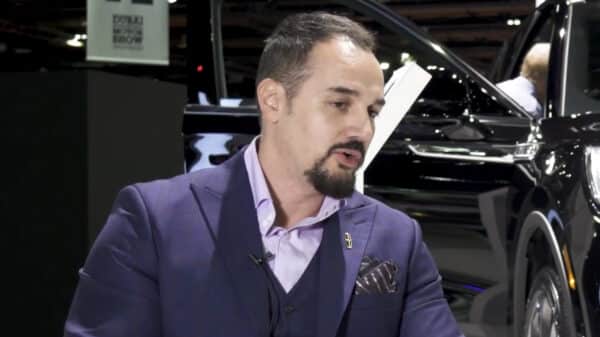
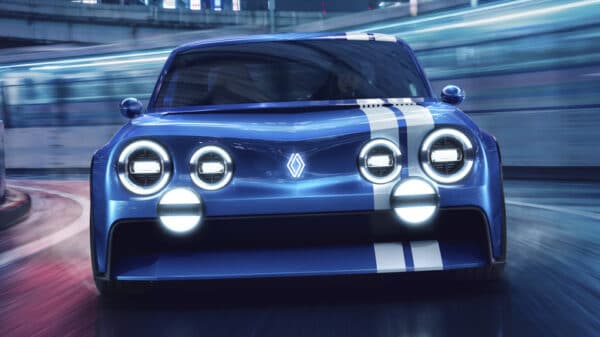




Renault is recalibrating its future product strategy, balancing its recent wave of nostalgic revivals with a commitment to pioneering fresh designs. CEO Fabrice Cambolive has emphasized that the brand’s primary mission is to expand its portfolio with entirely new models, ensuring the company remains forward-looking rather than tethered solely to its heritage.
The French automaker has found significant traction lately by blending high-tech electric platforms with retro-inspired aesthetics, seen in the upcoming Renault 4, 5, and Twingo. This sits alongside a robust lineup of hybrid vehicles and a new generation of SUVs that utilize legendary nameplates. While these retro-themed EVs have been well-received, Cambolive asserts that such designs must have a clear functional purpose in the modern era to avoid the trap of “living in the past.”
The organizational vision for Renault’s lineup is divided into three distinct pillars. One-third of the fleet will consist of “iconic” cars that lean into heritage; another third will comprise “saga” cars—long-standing, familiar names like the Clio and Scenic; and the final third will be reserved for innovative, “purely new” concepts. According to Cambolive, this balanced approach is vital for the brand’s survival, as relying exclusively on legacy models like the R5 and Clio would limit the company’s growth potential.
Developing the Next Generation of the B-Segment Hatchback
While the latest iteration of the Clio is still rolling out across global markets, Renault is already shifting its focus to what comes next. The company identifies the traditional “low-profile” B-segment hatchback—as opposed to the ubiquitous SUV—as an essential area for innovation in Europe. As the market evolves, Renault is tasked with reinventing the Clio’s successor to meet new consumer expectations.
Defining the parameters of a modern hatchback is a core part of this development. Current targets suggest a vehicle length of 4.1 to 4.2 meters, with a heavy emphasis on balancing sportiness, daily practicality, and versatility. Crucially, the next Clio is expected to maintain its modern identity as a “saga” car rather than adopting a retro look. This distinction allows it to evolve independently of the brand’s more nostalgic electric offerings.
The timeline for this next-generation model likely points toward a mid-2030s release. In terms of propulsion, Renault is preparing for a landscape that is heavily, if not entirely, electrified. By 2030, the brand aims for a 100% electrified lineup, with battery electric vehicles (BEVs) accounting for at least half of that mix. To support this transition, Renault is developing a flexible next-generation platform capable of housing both pure-electric and range-extender powertrains, ensuring the next Clio remains viable regardless of how infrastructure and regulations shift in the coming decade.
Summary of Renault’s Future Roadmap
Renault is navigating a transition period by honoring its past without being constrained by it. By maintaining a diverse portfolio that blends iconic retro revivals with established mainstays like the Clio and entirely new design directions, the automaker is positioning itself to capture a wide demographic. The focus on versatile, electrified platforms suggests that while the brand’s aesthetic may occasionally look back, its engineering is focused squarely on the future of the automotive industry.