

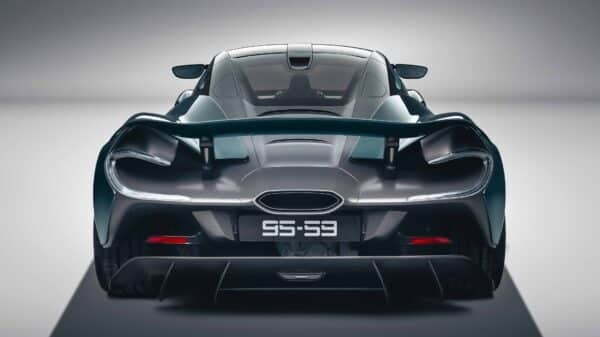











For more than three decades, McLaren has focused on the cutting edge of dual-clutch performance. However, the manufacturer is now shifting gears by reintroducing a traditional three-pedal setup. The McL 6GT is a carbon-fiber-bodied masterpiece that ends a 34-year hiatus of manual transmissions within the brand’s lineup, promising a raw and mechanical connection that has been missing since the iconic F1.
- The McL 6GT marks the return of a six-speed manual gearbox to the McLaren range after 34 years.
- Equipped with a V8 engine and hydraulic steering, the car is engineered for pure tactile feedback.
- This carbon-intensive concept serves as a preview for a limited-production supercar slated for 2028.
While McLaren is often praised for maintaining hydraulic steering feel in an era of electronic assistance, the McL 6GT adds a new layer of engagement with a physical gear lever. Unveiled during the prestigious Monterey Car Week, this V8-powered machine draws direct inspiration from Bruce McLaren’s original, unfinished M6GT project. Rather than a tribute to the past, it represents a new, ultra-exclusive tier of the company’s portfolio where driving pleasure takes precedence over sheer lap times.
A Purist’s Recipe for Modern Performance
The technical specifications of the McL 6GT read like a wish list for automotive enthusiasts. At its heart lies a potent V8 engine sending power exclusively to the rear wheels. Unlike some competitors who are experimenting with simulated manual shifts in dual-clutch systems, McLaren has opted for a genuine manual transmission. This setup is paired with a lightweight carbon-fiber monocoque and bespoke carbon bodywork, ensuring the power-to-weight ratio remains world-class.
While official performance metrics and weight figures are still under wraps, the focus here isn’t necessarily on breaking Nürburgring records. Instead, the McL 6GT is designed to be an immersive tool for the driver, prioritizing the sensations of shifting, steering, and throttle response above all else.
Honoring the Legacy of Bruce McLaren
The inspiration for this project dates back to the late 1960s and the M6GT—Bruce McLaren’s ambitious plan to convert his successful Can-Am race cars into the world’s fastest road vehicles. Though the original project was cut short, McLaren has revisited that vision using 21st-century engineering. The McL 6GT asks what a modern-day interpretation of Bruce’s dream would look like if developed with today’s advanced materials.
Visually, the McL 6GT breaks away from the current design language seen on models like the Artura or 750S. It features a low-slung, wide stance with a nose that sits remarkably close to the asphalt. The silhouette is defined by clean, flowing surfaces and a distinct Kamm-tail rear end. The way the roofline integrates into the engine cover evokes the classic proportions of 1960s endurance racers and high-end Italian grand tourers of that era.
Artistry in the Details and Cabin
The vehicle is peppered with “Easter eggs” that pay homage to the brand’s history. Bruce McLaren’s personal signature is featured within the engine bay, and the classic “Speedy Kiwi” logo is etched into the fuel filler cap. Even the gear lever itself features a 3D-machined Kiwi emblem. Notably, McLaren avoided the cliché of a metal gated shifter, choosing instead a unique, modern design that feels more authentic to the brand’s heritage, considering neither the original M6GT nor the F1 used a gated layout.
Inside, the cockpit is a blend of racing technology and luxury. It features exposed carbon fiber, machined aluminum hardware, and quilted upholstery that mirrors the interior of the original M6GT. The environment is strictly driver-centric, reinforcing the car’s mission as a high-engagement machine.
The Road to Production
Although currently labeled as a concept, the McL 6GT is not merely a styling exercise. McLaren has confirmed that a production version is scheduled to arrive in 2028. This model will exist outside the brand’s core series-production lineup, occupying a space reserved for high-value, low-volume vehicles that cater to collectors and driving purists who demand a manual gearbox.
Future Outlook for McLaren’s Enthusiast Models
The McL 6GT represents a significant pivot for a brand that has long been defined by its pursuit of digital perfection. By reaching back to its roots and embracing the manual transmission, McLaren is acknowledging a growing demand for analog experiences in an increasingly electrified and automated industry. When the production version arrives in 2028, it will likely stand as one of the most significant driver-focused supercars of the decade, blending historical inspiration with the pinnacle of modern carbon-fiber construction.