

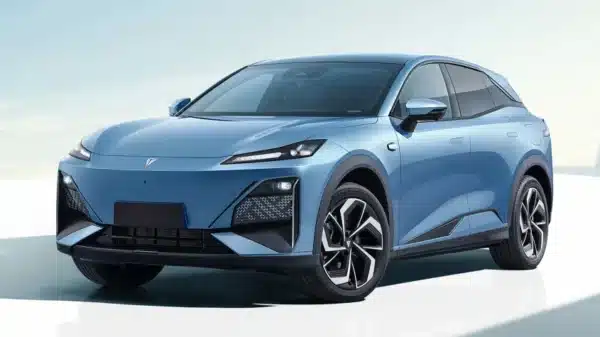
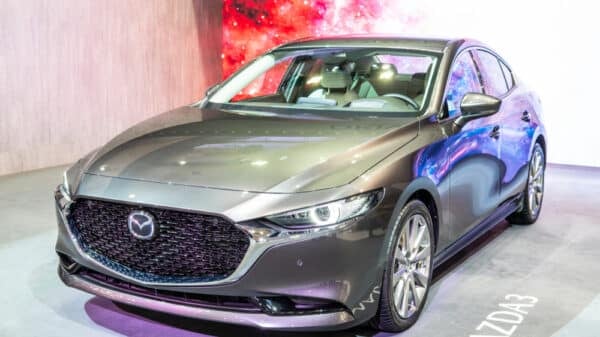


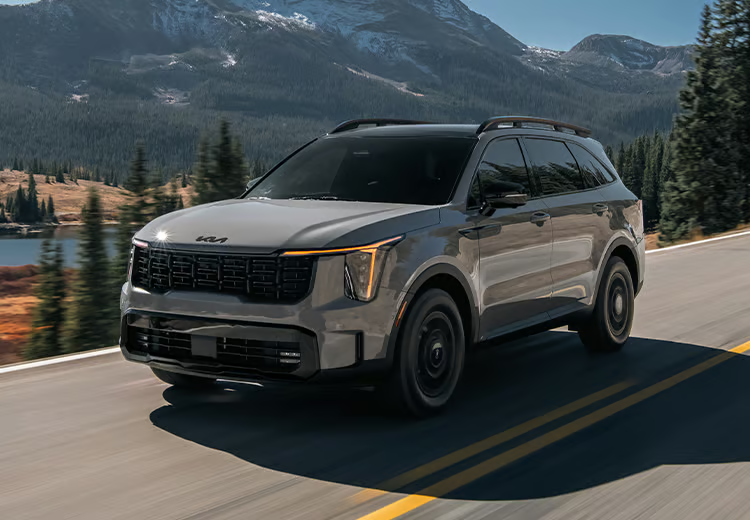
Finding a three-row SUV with a plug-in hybrid powertrain is a surprisingly difficult task. In the Australian market, the selection is limited to a few contenders like the Mazda CX-80, the Chery Tiggo 9, and the BYD Sealion 8. Amidst this niche group, the Kia Sorento PHEV stands out as a primary candidate for many families, largely due to Kia’s established reputation for reliability and value in the segment.
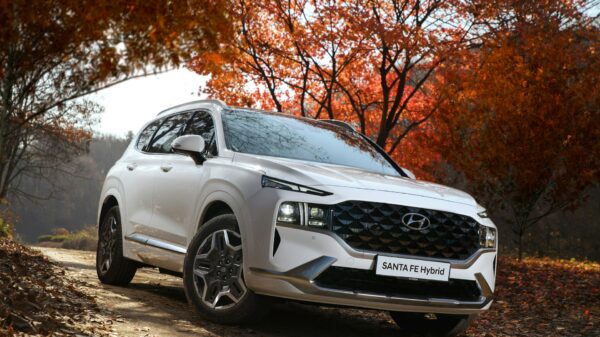
The fourth-generation Sorento has been in production since 2020, utilizing the same N3 platform as its cousin, the Hyundai Santa Fe. While the Santa Fe recently transitioned to a radically different fifth-generation design, the current Sorento received a significant facelift in 2024 to keep it competitive until a successor arrives, likely no earlier than 2027. One distinct advantage the Kia holds over the new Santa Fe is the availability of a plug-in hybrid (PHEV) option; currently, the electrified Santa Fe is restricted to a standard hybrid configuration.
MODEL SPECIFICATIONS AT A GLANCE
Market Options and Local Pricing
Kia offers an extensive lineup for the Sorento in Australia, spanning 12 different variants. Entry into the range starts with the S Diesel DCT at AU$58,340, while the diesel range peaks at AU$73,940. The electrified side of the family is even broader, starting at AU$59,490 for the standard hybrid and reaching AU$84,600 for the flagship GT-Line PHEV AWD. In the United States, the Sorento is equally prolific, with the PHEV versions starting around $48,290.
The PHEV’s mechanical heart consists of a 1.6-liter turbocharged engine paired with an electric motor housed within the transmission. A 14 kWh lithium-ion battery provides the energy storage. Together, the system generates 195 kW (262 hp), which offers a bit more punch than the standard Santa Fe Hybrid’s 172 kW, though the Hyundai offers slightly more peak torque.
Interior Sophistication and Family Utility
The Sorento’s cabin has aged gracefully, remaining one of the most attractive interiors in its class. The 2024 update replaced the old split-screen layout with a modern, curved glass housing that integrates two high-resolution displays. This system is a hallmark of current Kia models, offering intuitive navigation and sharp graphics, supplemented by standard wireless smartphone integration through Apple CarPlay and Android Auto.
Kia also modernized the climate controls by introducing a switchable touch panel below the main screen. While digital interfaces can sometimes be cumbersome, this specific implementation is far more ergonomic than burying HVAC settings deep within a touchscreen menu. The GT-Line trim elevates the experience with Nappa leather upholstery, ventilated front seating, and a massive panoramic roof that brightens the dark interior.
However, despite the premium materials and excellent build quality, the Sorento’s third row remains tight. It is best suited for children or short trips for teenagers. For those frequently requiring a full seven-seat capacity for adults, the larger Kia EV9 or the Carnival MPV might be more practical alternatives.
Real-World Driving Dynamics and Engine Refinement
On the road, the Sorento PHEV is a capable performer, but the powertrain isn’t without its flaws. One surprising observation is the noise level of the 1.6-liter engine. While the same displacement in the Hyundai Santa Fe remains hushed, the Kia’s unit sounds notably louder and more industrial, occasionally mimicking the clatter of a diesel engine under load. This lack of acoustic refinement can be jarring when the vehicle transitions from silent electric mode to gasoline power.
The ride quality is generally composed. Weighing in at over two tons, the Sorento PHEV feels substantial. The suspension is tuned slightly on the firmer side to manage that mass, yet it remains adept at absorbing road imperfections. It lacks the cloud-like float of some rivals, but it offers a more connected and stable feel during cornering.
Evaluating Electric Performance and Fuel Economy
The primary draw of the PHEV is its ability to operate as an electric vehicle for daily commutes. With a 14 kWh battery, the official electric-only range is 68 km (42 miles). In real-world conditions, users can expect roughly 50 km (31 miles) of range before the gasoline engine takes over. This makes it an ideal tool for suburban school runs and short commutes.
Fuel efficiency is highly dependent on how often you plug it in. While the laboratory rating is 1.6 L/100 km, that assumes a fully charged battery for the majority of the trip. During our testing—where the battery was not frequently recharged—we recorded an average of 6.4 L/100 km. To put that in perspective, the standard diesel Sorento is rated at 6.0 L/100 km. Consequently, if you don’t have access to home charging, the diesel remains the more economical choice for long-distance travel.
Transmission Logic and Off-Road Capability
Unlike other Sorento models that utilize an eight-speed gearbox, the PHEV employs a six-speed automatic. The integration of the electric motor into the transmission means you can sometimes hear the mechanical shifts while driving in EV mode, though the transitions themselves are smooth. The SUV also features Kia’s Terrain Mode system, which optimizes traction for snow, mud, and sand. During light off-road testing, the all-wheel-drive system proved intelligent and sure-footed, managing power delivery effectively across loose surfaces.
Summary of Final Thoughts
The 2026 Kia Sorento remains a top-tier choice for families seeking a premium-feeling SUV with versatile seating. The facelift has successfully modernized the technology and exterior styling, ensuring it doesn’t feel dated next to newer competitors. However, the PHEV variant is a specific tool for a specific buyer. To justify its price premium over the diesel or standard hybrid, owners must commit to a daily charging routine. Without utilizing its electric range, the PHEV loses its efficiency advantage and highlights the unrefined nature of its small turbocharged engine. For many, the smoother diesel or the simpler standard hybrid may still be the more pragmatic choice in the Sorento lineup.